The Typical Herbs of the Varaita Valley
The Varaita Valley, located in the Piedmont Alps, is rich in biodiversity and is home to a variety of plants and herbs that are an integral part of the local landscape and culture.
Genepy, famous for the liqueur of the same name; it grows at high altitudes and has digestive properties
Mint, used both for herbal teas and to flavour dishes
Wild Thyme, common in meadows and on sunny slopes, is used in the kitchen to flavour meat and other dishes
Chamomile, collected to prepare relaxing and healing herbal teas
Dandelion, widespread in meadows and used both in cooking for salads and in herbal medicine for its diuretic and depurative properties
Arnica, which is valued for its anti-inflammatory properties and is mainly used in topical preparations
These plants not only add variety to the natural landscape but are also used in folk medicine and local gastronomy.
THE CEMBER PINE
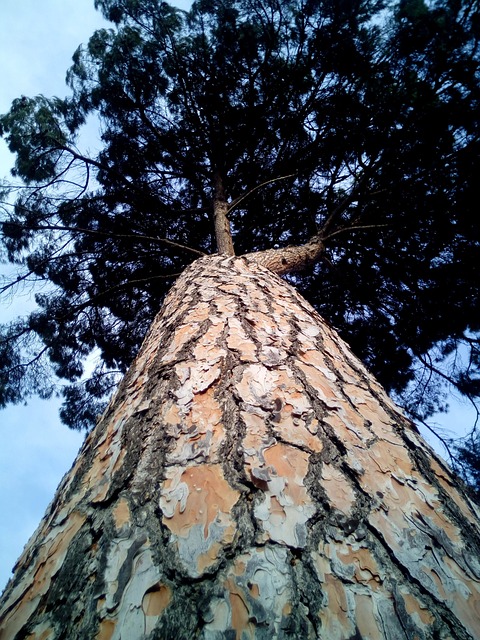
The stone pine, also known as Pinus cembra, is a tree typical of the Alpine regions of Europe, including the Italian Alps, such as the Varaita Valley. This pine is particularly suited to cold climatic conditions and high altitudes, where it can thrive on poor, rocky soils.
Characteristics of Stone Pine
- Appearance: The Stone Pine has a characteristic conical shape during its early years, which becomes more irregular and wider as it ages. It can reach heights of up to 25 metres.
- Leaves: Its leaves are needle-shaped, grouped in bunches of five, light green in colour, and can remain on the tree for about 10 years, which is unusually long for a pine tree.
- Cones: Stone pine cones are large, cylindrical, and ripen in brown to purplish shades. They are known to contain edible pine nuts, which are larger and easier to collect than other types of pine.
Ecological and Cultural Importance
- Biodiversity: The Stone Pine is fundamental to Alpine biodiversity. It provides habitat and food for numerous animal species, including several bird and insect species.
- Use of pine kernels: Pine kernels harvested from its cones are highly valued in the kitchen, especially in Italian and Alpine cuisine, where they are used in pestos, desserts, and other traditional dishes.
- Wood: Stone pine wood is highly prized for its strength and fragrance, often used in cabinetmaking and for making furniture and musical instruments.
The Stone Pine is also a symbol of resilience and adaptability, being able to grow in extreme environmental conditions and contribute significantly to the mountain ecosystems in which it is found.